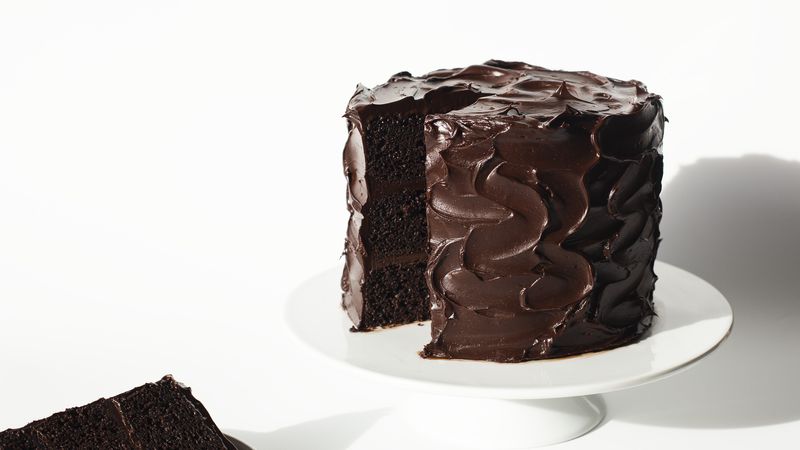
Ultimate Layered Chocolate Cake: Pro Frosting & Stacking Tips
Imagine presenting a show-stopping, multi-layered chocolate cake that looks like it came straight from a high-end bakery. Now, imagine achieving that masterpiece without complex techniques, without special equipment, and without needing years of baking experience. Sounds too good to be true? Not anymore. We're here to shatter the myth that a stunning layered chocolate cake is only for professional pastry chefs. With the right foundation and a few expert tips, anyone can create an incredibly rich, moist, and visually impressive chocolate cake from scratch.
Gone are the days of feeling limited to a box mix. The secret lies in embracing recipes designed for success, even for beginners. We'll guide you through selecting the perfect easy chocolate cake recipe, mastering the art of homemade frosting, and unlocking the professional secrets to stacking and finishing your cake like a true pro. Get ready to impress yourself and everyone lucky enough to get a slice!
The Foundation: Choosing Your Perfect Chocolate Cake Recipe
The journey to an ultimate layered chocolate cake begins with an exceptional recipe. Forget the fear of baking from scratch; many recipes are incredibly forgiving and designed for success. Take, for instance, highly-rated chocolate cake recipes that boast thousands of positive reviews. These aren't just good; they're practically guaranteed to deliver a moist, rich, and undeniably chocolatey cake.
What makes these recipes so accessible? Often, it's their simplicity. Many lauded chocolate cake recipes require just one bowl for mixing and don't even demand a stand mixer – a simple wire whisk will do the trick! This "no-fuss" approach means less cleanup and less intimidation, proving that delicious results don't require complicated methods. Even self-proclaimed non-bakers like Nicole McLaughlin (NicoleMcmom) have found immense success with these easy-to-follow instructions, demonstrating that if they can do it, so can you.
One of the beauties of a well-crafted chocolate cake recipe is its incredible versatility. A single batter can transform into various forms:
- Classic Round Layers: The quintessential layered cake format.
- Sheet Cakes: Perfect for feeding a crowd, and surprisingly easy to transform into layers (more on this later!).
- Cupcakes: Ideal individual portions.
- Bundt Cakes: An elegant option with minimal frosting required.
For those looking to explore these different forms and master the basics, our Chocolate Cake Baking Guide: From One-Bowl to Layered Perfection offers even more insights.
Smart Baking for Superior Results:
- Dry & Wet Separation: While some recipes call for mixing everything in one bowl, many experienced bakers, like Nicole, prefer to combine wet ingredients in one vessel and dry ingredients in another before gently folding them together. This ensures thorough mixing without overdeveloping the gluten, which can lead to a tough cake.
- Don't Overmix: This is a golden rule in baking. Mix just until the ingredients are combined; a few small lumps are perfectly fine and often preferred.
- Pan Preparation: Always grease and flour your cake pans meticulously or line them with parchment paper. This simple step prevents sticking and ensures your beautiful layers release cleanly. For perfectly even layers, especially for multi-tiered cakes, consider weighing your batter into each pan.
- Release Air Pockets: After pouring batter into pans, gently tap them on the counter a few times. This helps release any large air pockets, preventing large holes in your finished cake.
Crafting the Perfect Chocolate Frosting
A spectacular chocolate cake deserves an equally spectacular chocolate frosting. Just as with the cake itself, homemade frosting is surprisingly simple to make and far superior to store-bought options. We're talking about rich, creamy, spreadable perfection that complements your moist cake layers beautifully.
For a truly effortless pairing, many delicious chocolate cake recipes have a corresponding 5-star frosting recipe that whips up in minutes with just a handful of ingredients. These often yield a classic, buttery chocolate buttercream.
However, if you're aiming for that "ultimate" experience, a denser, fudgier frosting that borders on ganache or spreadable hot fudge can elevate your cake to new heights. These types of frostings often involve melting together dark chocolate, butter, cream, and brown sugar, resulting in a glossy finish and an intensely rich flavor. The key to both types of homemade frosting is achieving the perfect spreadable consistency.
The Golden Rule of Frosting Consistency:
Cooling is absolutely paramount. Whether it's a buttercream or a fudgy ganache-style frosting, it *must* be completely cooled to a spreadable texture. Attempting to frost a cake with warm or even slightly warm frosting is a recipe for disaster – it will melt, slide right off the cake layers, and create a messy, frustrating experience. For the richer, melt-and-cool frostings, stirring every 15-20 minutes as it cools is crucial. This prevents lumps from forming and ensures a smooth, uniform texture when it's ready to spread.
Pro Frosting Tips:
- Double Up for Layers: If you're making a layered cake, especially from a sheet cake, you'll almost certainly need to double your frosting recipe to ensure ample coverage for between layers, the crumb coat, and the final decorative layer.
- Rescuing Frosting:
- Too Stiff? For buttercream, add a tiny bit of warm milk or cream, a teaspoon at a time, until it reaches the desired consistency. For fudgier frostings, very gently warm it over a double boiler or in the microwave for a few seconds, then stir well and re-cool if needed.
- Too Runny? Chill it in the refrigerator for longer, stirring periodically. For buttercream, you can also add a tablespoon or two of sifted powdered sugar.
- Room Temperature Butter (for buttercream): Always use room temperature butter for buttercream recipes. It creams up light and fluffy, creating the ideal texture.
Mastering Layering & Stacking for Bakery-Worthy Results
Now that your cake layers are baked and your frosting is at the perfect consistency, it's time for the magic of assembly. This is where your homemade cake truly transforms into a bakery-worthy showstopper.
Essential Preparation for Seamless Stacking:
- Absolute Coolness: We cannot stress this enough: your cake layers MUST be completely, utterly cool before you even think about frosting them. Warm layers will melt your carefully prepared frosting, leading to a cascade of disappointment. If you're short on time, you can chill the layers in the refrigerator or even wrap them tightly in plastic and freeze them until solid. Assembling with slightly firm or even frozen layers can make handling much easier.
- Leveling Your Layers: Most cakes will bake with a slight dome. For perfectly even layers, it's a good idea to gently trim the top of each layer with a serrated knife or a cake leveler. This creates a flat surface for stacking and prevents your cake from leaning.
- Transforming a Sheet Cake: If you've baked a versatile sheet cake, transforming it into a layered cake is surprisingly simple. Once completely cool, cover the cake with a sheet of parchment paper, place a cutting board over the pan, and carefully invert the entire thing. The cake will come out cleanly onto the board. You can then use a ruler and a sharp knife to cut it into halves or thirds, depending on your desired number of layers. For a detailed guide on this technique, check out our article: Easy Chocolate Cake From Scratch: No-Fail Recipe for Anyone.
The Stacking Process:
- Secure the First Layer: Place a small dollop of frosting on your cake stand or serving plate before setting down the first cake layer. This "glues" the cake in place, preventing it from sliding around as you frost.
- Even Frosting Layers: Apply a generous amount of frosting to the top of the first layer and spread it evenly to about a 1/4-inch thickness. Use an offset spatula for smooth, controlled spreading.
- Stack and Repeat: Gently place the next cake layer on top, aligning it carefully. Repeat the frosting process for subsequent layers.
- The Crumb Coat - Your Secret Weapon: This thin layer of frosting is critical for a professional finish. After stacking all your layers, apply a very thin, almost translucent layer of frosting all over the top and sides of the cake. The purpose of the crumb coat is to trap any loose crumbs, sealing them into this initial layer. Don't worry about perfection here; just get an even, thin coverage.
- Chill for Success: Once the crumb coat is applied, chill the cake in the refrigerator for at least 15-20 minutes (or even longer) until the frosting is firm to the touch. This locks in the crumbs and provides a stable, smooth base for your final frosting layer.
- The Final Frosting: After chilling, apply a thicker, more generous layer of frosting to achieve your desired smooth or textured finish. Use your offset spatula to create clean lines and an even coating.
Advanced Stacking Tips:
- Cake Turntable: Investing in a simple cake turntable can make frosting and decorating infinitely easier, allowing you to rotate the cake smoothly as you work.
- Dowels for Tall Cakes: If you're building a very tall cake (three or more layers with heavy frosting), consider inserting a few wooden dowels or sturdy straws through the top layers, down to the base. This provides internal support and prevents the cake from collapsing.
- Scrapers for Smooth Sides: A bench scraper or dedicated cake scraper can help achieve perfectly straight and smooth sides for your final frosting layer.
Presentation & Storage: Elevating Your Chocolate Cake Experience
The final touches make all the difference, transforming your perfectly stacked and frosted chocolate cake into a truly exquisite dessert. And knowing how to store it properly ensures every slice tastes as fresh as the first.
Flawless Presentation:
- The Parchment Paper Trick: Before you even start frosting, tuck strips of parchment or waxed paper all around the base of your cake, just under the bottom edge, where the cake meets your platter. This protects your serving dish from frosting smears. Once you're finished frosting, simply slide out the strips to reveal a perfectly clean platter. This simple trick will make you feel like a genius!
- Simple Decor: Sometimes, less is more. A sprinkle of cocoa powder, chocolate shavings, fresh berries, or a few simple piped rosettes can elevate your cake without requiring intricate decorating skills.
Optimal Storage for Lasting Freshness:
To enjoy your ultimate chocolate cake for days to come, proper storage is key:
- Room Temperature (Short-Term): If your cake contains ingredients that don't require refrigeration (like simple buttercreams without fresh fruit or cream cheese), it can often sit at cool room temperature for 1-2 days, covered, for optimal texture. However, for most rich chocolate cakes with decadent fillings or frostings, refrigeration is recommended.
- Refrigerator (Up to 5 Days): For longer storage, wrap portions of the cake tightly in plastic wrap or place the entire cake in an airtight container. If you have cut edges, cover them with plastic wrap to prevent drying out. Store in the refrigerator for up to 5 days.
- Serving Tip: For the best texture and flavor, allow refrigerated cake to stand at room temperature for about 15-30 minutes before serving. This softens the butter in the frosting and makes the cake incredibly tender.
- Freezing (Longer-Term): Chocolate cake freezes beautifully. For individual portions or an entire cake, wrap it in a double layer of plastic wrap, followed by a layer of aluminum foil. This protects it from freezer burn. Store in the freezer for up to 2-3 months.
- Thawing: To thaw, transfer the frozen cake (still wrapped) to the refrigerator overnight. Once thawed, let it come to room temperature for 15-30 minutes before serving.
Conclusion
You now possess the knowledge and tips to create a truly ultimate layered chocolate cake. From selecting an easy, reliable recipe to mastering the art of a perfect crumb coat and achieving a stunning presentation, you have everything you need. No longer will you dread the baking process or reach for a box mix; instead, you'll confidently whip up a rich, moist, and absolutely beautiful chocolate cake from scratch. So, preheat your ovens, gather your ingredients, and get ready to indulge in the sweet satisfaction of creating a masterpiece that tastes as incredible as it looks. Happy baking!
